
La anestesiología es el campo de la medicina que se centra en EN Erythema nodosum is an immune-mediated panniculitis (inflammation of the subcutaneous fat) caused by a type IV (delayed-type) hypersensitivity reaction. It commonly manifests in young women as tender, erythematous nodules on the shins. Erythema Nodosum las intervenciones que provocan un estado de anestesia en EN Erythema nodosum is an immune-mediated panniculitis (inflammation of the subcutaneous fat) caused by a type IV (delayed-type) hypersensitivity reaction. It commonly manifests in young women as tender, erythematous nodules on the shins. Erythema Nodosum un individuo. La anestesia general se caracteriza por una pérdida reversible de la conciencia junto con analgesia Analgesia Methods of pain relief that may be used with or in place of analgesics. Anesthesiology: History and Basic Concepts, amnesia y relajación muscular. La anestesia general se induce mediante la administración de agentes gaseosos o inyectables antes de procedimientos quirúrgicos u otras intervenciones médicas. En EN Erythema nodosum is an immune-mediated panniculitis (inflammation of the subcutaneous fat) caused by a type IV (delayed-type) hypersensitivity reaction. It commonly manifests in young women as tender, erythematous nodules on the shins. Erythema Nodosum el otro extremo del espectro está la anestesia local, que se logra mediante el uso de agentes tópicos o la administración local de anestésicos inyectables en EN Erythema nodosum is an immune-mediated panniculitis (inflammation of the subcutaneous fat) caused by a type IV (delayed-type) hypersensitivity reaction. It commonly manifests in young women as tender, erythematous nodules on the shins. Erythema Nodosum el área de interés. El uso de anestésicos ha HA Hemolytic anemia (HA) is the term given to a large group of anemias that are caused by the premature destruction/hemolysis of circulating red blood cells (RBCs). Hemolysis can occur within (intravascular hemolysis) or outside the blood vessels (extravascular hemolysis). Hemolytic Anemia sido bien documentado en EN Erythema nodosum is an immune-mediated panniculitis (inflammation of the subcutaneous fat) caused by a type IV (delayed-type) hypersensitivity reaction. It commonly manifests in young women as tender, erythematous nodules on the shins. Erythema Nodosum la historia, pero la práctica de la anestesiología moderna solo comenzó a fines del siglo XVIII.
Last updated: Dec 15, 2025
La anestesiología es el campo de la medicina que se centra en EN Erythema nodosum is an immune-mediated panniculitis (inflammation of the subcutaneous fat) caused by a type IV (delayed-type) hypersensitivity reaction. It commonly manifests in young women as tender, erythematous nodules on the shins. Erythema Nodosum las intervenciones que provocan un estado de anestesia, que se caracteriza por una pérdida reversible de la conciencia, así como analgesia Analgesia Methods of pain relief that may be used with or in place of analgesics. Anesthesiology: History and Basic Concepts, amnesia y relajación muscular.
| Años | Eventos |
|---|---|
| 4000 a. C.–0 d. C. | El uso de la adormidera; remedios a base de hierbas que utilizan Hyoscyamus niger, Mandragora y acónito; y la acupuntura realizada con huesos, vapores de cannabis y compresión carotídea se documenta en EN Erythema nodosum is an immune-mediated panniculitis (inflammation of the subcutaneous fat) caused by a type IV (delayed-type) hypersensitivity reaction. It commonly manifests in young women as tender, erythematous nodules on the shins. Erythema Nodosum registros de la antigua China, Grecia y Egipto. |
| 1799–1850 d.C. |
|
| 1850–1900 d.C. |
|
| 1900–1925 d.C. |
|
| 1925–1950 d.C. |
|
| 1950–1975 d.C. |
|
| 1975–2000 d.C. |
|
| 2000 d.C.–presente | La American Society of Anesthesiologists Anesthesiologists Physicians specializing in anesthesiology. Anesthesiology: History and Basic Concepts establece la Simulation Education Network (SEN) para continuar educando y certificando a los LOS Neisseria anestesiólogos. |
La evaluación enfocada y la planificación de la anestesia deben completarse con anticipación para todas las cirugías, intervenciones y procedimientos.
| Enfermedad/afección preexistente | Pruebas diagnósticas |
|---|---|
| Edad > 65 años | Albúmina, creatinina, hemoglobina |
| Abuso de alcohol | ECG ECG An electrocardiogram (ECG) is a graphic representation of the electrical activity of the heart plotted against time. Adhesive electrodes are affixed to the skin surface allowing measurement of cardiac impulses from many angles. The ECG provides 3-dimensional information about the conduction system of the heart, the myocardium, and other cardiac structures. Electrocardiogram (ECG), electrolitos, hemoglobina, prueba de función hepática, recuento de plaquetas, TP/INR |
| Anemia Anemia Anemia is a condition in which individuals have low Hb levels, which can arise from various causes. Anemia is accompanied by a reduced number of RBCs and may manifest with fatigue, shortness of breath, pallor, and weakness. Subtypes are classified by the size of RBCs, chronicity, and etiology. Anemia: Overview and Types | Hemograma, creatinina, ferritina, hierro, saturación de transferrina, TSH, T3 T3 A T3 thyroid hormone normally synthesized and secreted by the thyroid gland in much smaller quantities than thyroxine (T4). Most T3 is derived from peripheral monodeiodination of T4 at the 5′ position of the outer ring of the iodothyronine nucleus. The hormone finally delivered and used by the tissues is mainly t3. Thyroid Hormones, T4 T4 The major hormone derived from the thyroid gland. Thyroxine is synthesized via the iodination of tyrosines (monoiodotyrosine) and the coupling of iodotyrosines (diiodotyrosine) in the thyroglobulin. Thyroxine is released from thyroglobulin by proteolysis and secreted into the blood. Thyroxine is peripherally deiodinated to form triiodothyronine which exerts a broad spectrum of stimulatory effects on cell metabolism. Thyroid Hormones, vitamina B12, tipificación sanguínea |
| Cardiopatía | BNP BNP A peptide that is secreted by the brain and the heart atria, stored mainly in cardiac ventricular myocardium. It can cause natriuresis; diuresis; vasodilation; and inhibits secretion of renin and aldosterone. It improves heart function. It contains 32 amino acids. Renal Sodium and Water Regulation, ECG ECG An electrocardiogram (ECG) is a graphic representation of the electrical activity of the heart plotted against time. Adhesive electrodes are affixed to the skin surface allowing measurement of cardiac impulses from many angles. The ECG provides 3-dimensional information about the conduction system of the heart, the myocardium, and other cardiac structures. Electrocardiogram (ECG), +/- prueba de esfuerzo |
| Diabetes Diabetes Diabetes mellitus (DM) is a metabolic disease characterized by hyperglycemia and dysfunction of the regulation of glucose metabolism by insulin. Type 1 DM is diagnosed mostly in children and young adults as the result of autoimmune destruction of β cells in the pancreas and the resulting lack of insulin. Type 2 DM has a significant association with obesity and is characterized by insulin resistance. Diabetes Mellitus | Creatinina, HbA1c HbA1c Products of non-enzymatic reactions between glucose and hemoglobin a, occurring as a minor fraction of the hemoglobin components of human erythrocytes. Hemoglobin a1c is hemoglobin a with glucose covalently bound to the terminal valine of the beta chain. Glycated hemoglobin a is used as an index of the average blood sugar level over a lifetime of erythrocytes. Diabetes Mellitus, glucosa |
| Hepatopatía | Albúmina, BUN, creatinina, electrolitos, hemoglobina, prueba de función hepática, recuento de plaquetas, TP/INR |
| Neumopatía | Radiografía de Tórax |
| Enfermedad de tiroides | T3 T3 A T3 thyroid hormone normally synthesized and secreted by the thyroid gland in much smaller quantities than thyroxine (T4). Most T3 is derived from peripheral monodeiodination of T4 at the 5′ position of the outer ring of the iodothyronine nucleus. The hormone finally delivered and used by the tissues is mainly t3. Thyroid Hormones, T4 T4 The major hormone derived from the thyroid gland. Thyroxine is synthesized via the iodination of tyrosines (monoiodotyrosine) and the coupling of iodotyrosines (diiodotyrosine) in the thyroglobulin. Thyroxine is released from thyroglobulin by proteolysis and secreted into the blood. Thyroxine is peripherally deiodinated to form triiodothyronine which exerts a broad spectrum of stimulatory effects on cell metabolism. Thyroid Hormones, TSH |
| Clasificación del estado físico de la American Society of Anesthesiologists Anesthesiologists Physicians specializing in anesthesiology. Anesthesiology: History and Basic Concepts | Definición | Ejemplos |
|---|---|---|
| I | Individuo normal, sano y sin enfermedades conocidas | Saludable, no fumador, consumo mínimo de alcohol |
| II | Un individuo con enfermedad sistémica leve | Fumador actual, hipertensión leve, enfermedad pulmonar leve |
| III | Un individuo con enfermedad sistémica grave | Hipertensión o diabetes Diabetes Diabetes mellitus (DM) is a metabolic disease characterized by hyperglycemia and dysfunction of the regulation of glucose metabolism by insulin. Type 1 DM is diagnosed mostly in children and young adults as the result of autoimmune destruction of β cells in the pancreas and the resulting lack of insulin. Type 2 DM has a significant association with obesity and is characterized by insulin resistance. Diabetes Mellitus mellitus mal controlada, enfermedad pulmonar obstructiva crónica |
| IV | Un individuo con una enfermedad sistémica grave que es una amenaza constante para la vida | IAM reciente, fracción de eyección gravemente reducida, sepsis Sepsis Systemic inflammatory response syndrome with a proven or suspected infectious etiology. When sepsis is associated with organ dysfunction distant from the site of infection, it is called severe sepsis. When sepsis is accompanied by hypotension despite adequate fluid infusion, it is called septic shock. Sepsis and Septic Shock, síndrome de dificultad respiratoria aguda |
| V | Un individuo que no se espera que sobreviva sin la cirugía propuesta | Hemorragia cerebral, rotura de aneurisma, traumatismo masivo |
| VI | Un individuo declarado con muerte cerebral o cuyos órganos están siendo extraídos |
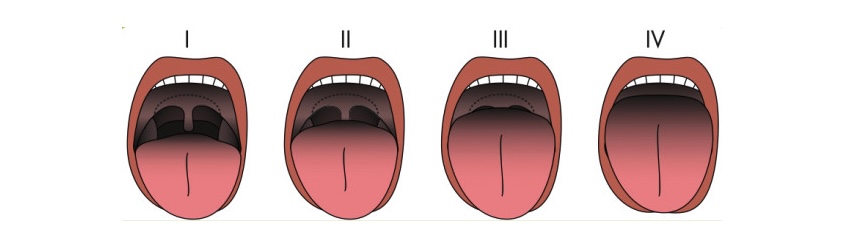
Clasificación de Mallampati para evaluar la facilidad de acceso a la vía aérea para la intubación:
I: Son visibles el velo del paladar, las fauces, la úvula y los pilares.
II: Son visibles el paladar blando, las fauces y parte de la úvula.
III: Son visibles el paladar blando y la base de la úvula.
IV: Solo se observa el paladar duro.
La creación de un plan de anestesia implica la consideración de:
Las consideraciones incluyen:
Se utilizan varios tipos de anestesia para cirugía u otros procedimientos médicos. La elección del tipo adecuado depende de:
Tipos de anestesia:
Los LOS Neisseria 3 estadios de la anestesia general son:
| Clase | Medicamentos de uso común |
|---|---|
| Sedantes-hipnóticos intravenosos | Propofol Propofol An intravenous anesthetic agent which has the advantage of a very rapid onset after infusion or bolus injection plus a very short recovery period of a couple of minutes. Propofol has been used as anticonvulsants and antiemetics. Intravenous Anesthetics, etomidato, ketamina |
| Adyuvantes intravenosos | Opioides, lidocaína, midazolam Midazolam A short-acting hypnotic-sedative drug with anxiolytic and amnestic properties. It is used in dentistry, cardiac surgery, endoscopic procedures, as preanesthetic medication, and as an adjunct to local anesthesia. The short duration and cardiorespiratory stability makes it useful in poor-risk, elderly, and cardiac patients. It is water-soluble at ph less than 4 and lipid-soluble at physiological pH. Benzodiazepines |
| Agentes de inhalación | Óxido nitroso, halotano, isoflurano |
| Bloqueadores neuromusculares | Vecuronio, rocuronio, succinilcolina |
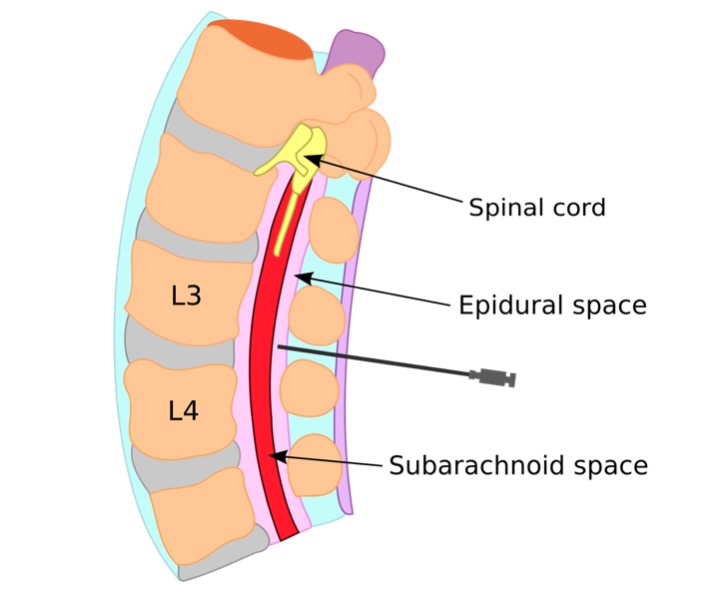
La anestesia epidural se usa comúnmente durante el parto:
Los anestesiólogos colocan un catéter entre las vértebras L3 y L4 en el espacio epidural para la administración continua de anestésicos locales. Los agentes epidurales comunes incluyen lidocaína, bupivacaína y ropivacaína.
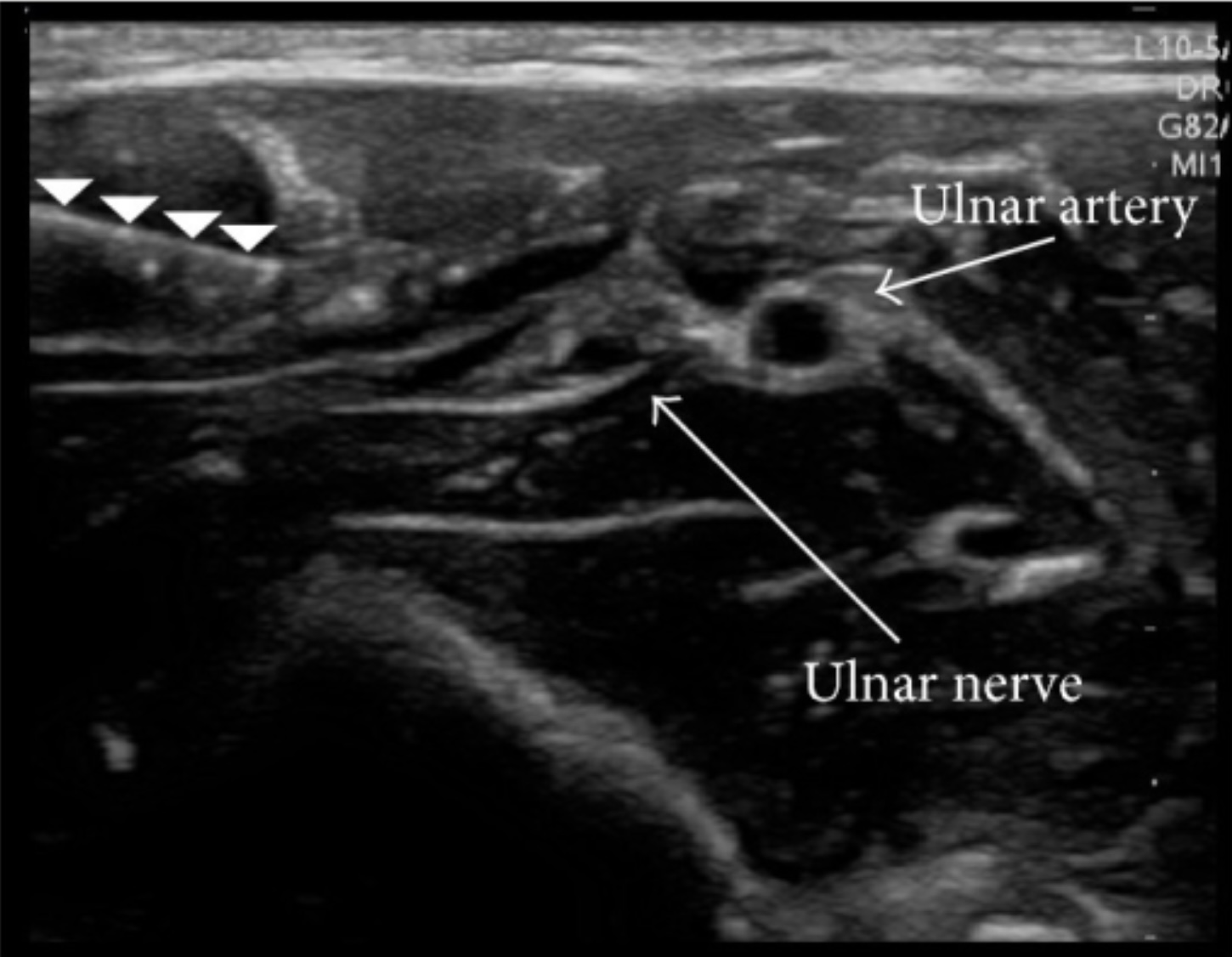
Bloqueo nervioso guiado por ultrasonido:
Ultrasonido que muestra una aguja (fila de puntas de flecha blancas) y una solución anestésica (área oscura que rodea el nervio cubital) inyectada alrededor del nervio cubital para un bloqueo exitoso del nervio periférico. El bloqueo anestésico de un haz de nervios bloquea todos los nervios derivados, proporcionando una analgesia adecuada para un procedimiento. Observe cómo el anestesiólogo identificó la arteria cubital para evitar perforarla.
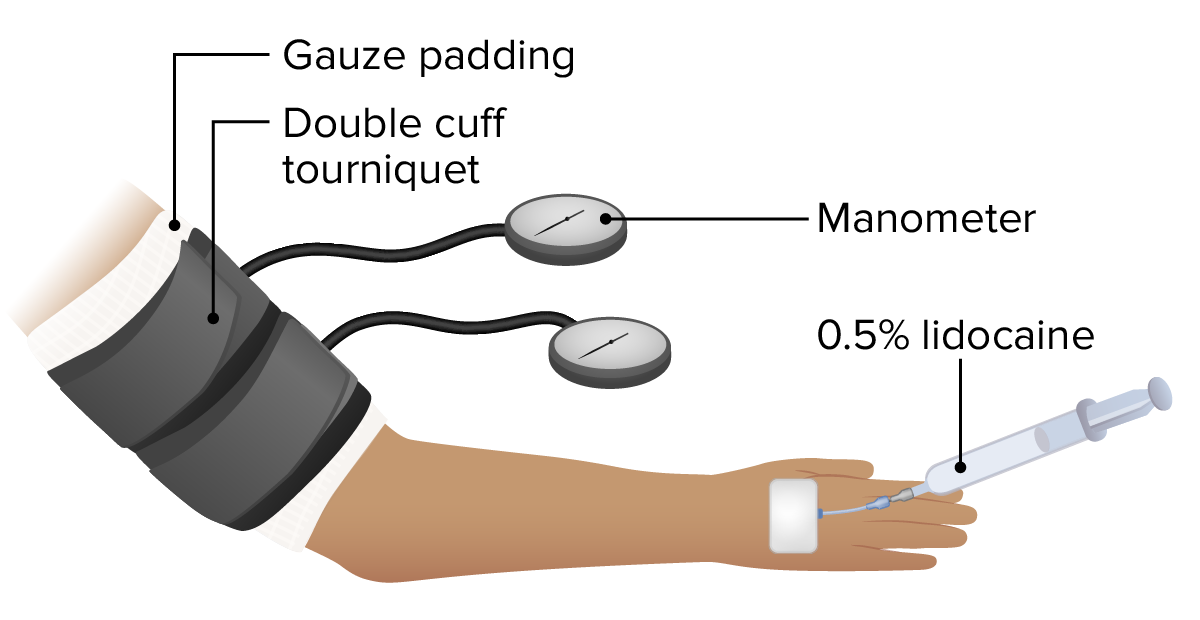
Configuración básica para un bloqueo de Bier
Imagen por Lecturio.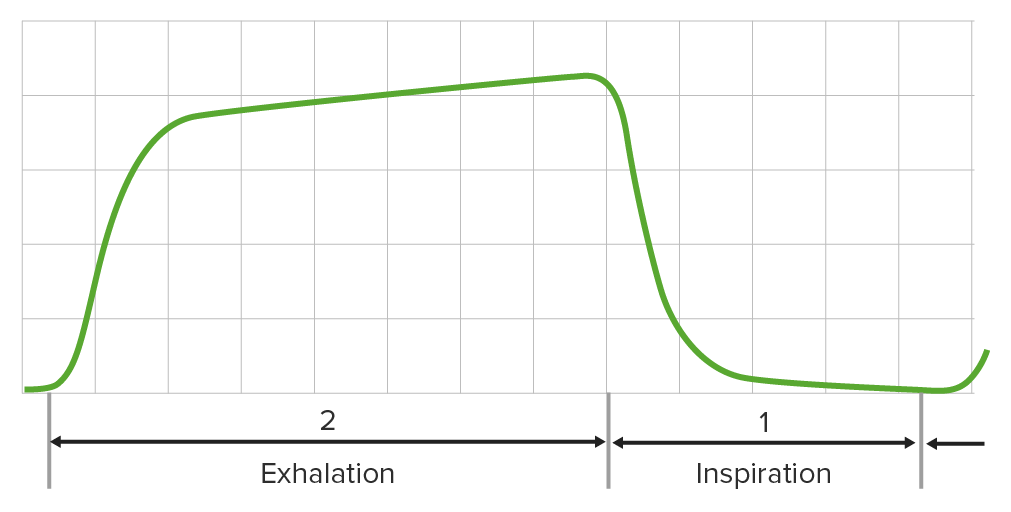
Capnograma normal que refleja niveles apropiados de CO2 en un individuo que recibe anestesia general:
La capnografía refleja una ventilación adecuada durante la cirugía.
| Estadio I | Consciente y racional con disminución de la percepción del dolor Dolor Inflammation |
|---|---|
| Estadio II | Inconsciente y reflexivo con un patrón de respiración irregular |
| Estadio III | Incapacidad para proteger la vía aérea debido a una mayor relajación muscular |
| Estadio IV | Depresión cardiovascular y respiratoria (medular) |
Todos los LOS Neisseria individuos son monitoreados postoperatoriamente en EN Erythema nodosum is an immune-mediated panniculitis (inflammation of the subcutaneous fat) caused by a type IV (delayed-type) hypersensitivity reaction. It commonly manifests in young women as tender, erythematous nodules on the shins. Erythema Nodosum una unidad de cuidados postanestésicos, donde se siguen los LOS Neisseria procedimientos estándar: